Choosing a tow bar bike carrier: e-bikes, nose weight and tilting
You choose a tow bar bike carrier by the number of bikes, the weight of carrier and bikes together, and what your tow bar may carry. Here is how to work it out, e-bikes included.
Popular picks from this guide
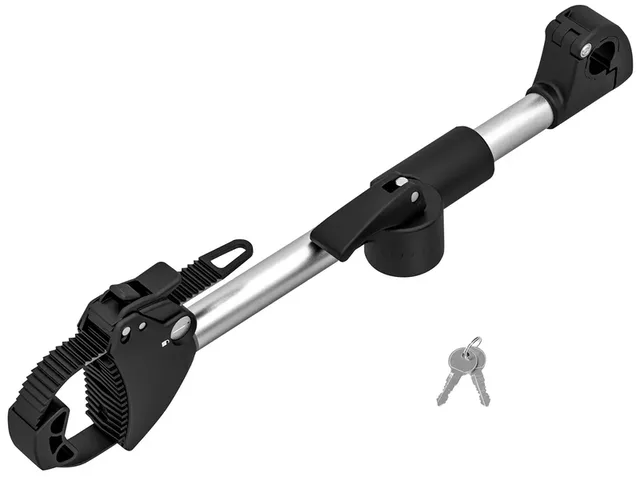
Popular products at today's lowest price. Compare every shop on the product page.
Short answer: You choose a tow bar bike carrier on three things: how many bikes you take, how much they weigh together with the carrier, and what your tow bar may carry (its nose weight). For e-bikes, pick a carrier the maker states is suitable for e-bikes, with enough load capacity and a tilt function so the boot still opens.
The details below come from the carrier makers, the Dutch motoring club ANWB and the Dutch vehicle authority RDW. Sorppa tests nothing itself; always follow the manuals of your bike carrier and your car.
How many bikes?
Most carriers state the number of bikes in the product name. From Eufab, the Crow takes two bikes, as does the Premium 12011LAS. The Amber III takes three and the Amber IV four. Menabo makes the Orbit 2 and the Orbit 3 for two and three e-bikes.
Don't simply go for the largest carrier. A carrier for three or four bikes is longer and heavier, and that weight counts against your tow bar. If you usually travel with two bikes, a two-bike carrier leaves more of the limit for the bikes themselves.
Carriers for two to four bikes
- Eufab
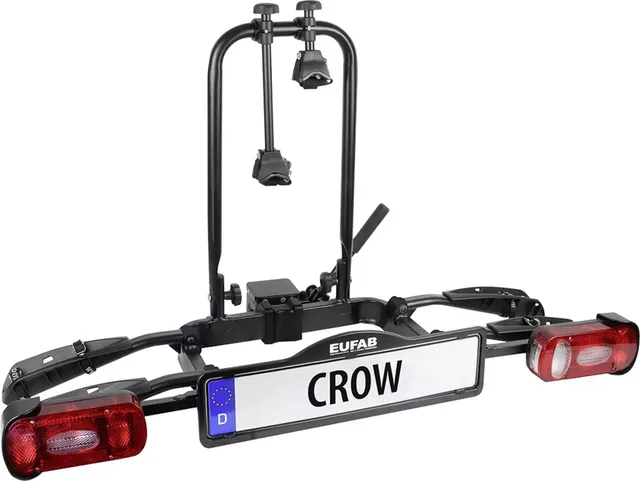
Crow 11563 bike carrier, number of bikes
(max.): 2From €191 · at 2 shops
Lowest in 90 days
- Eufab
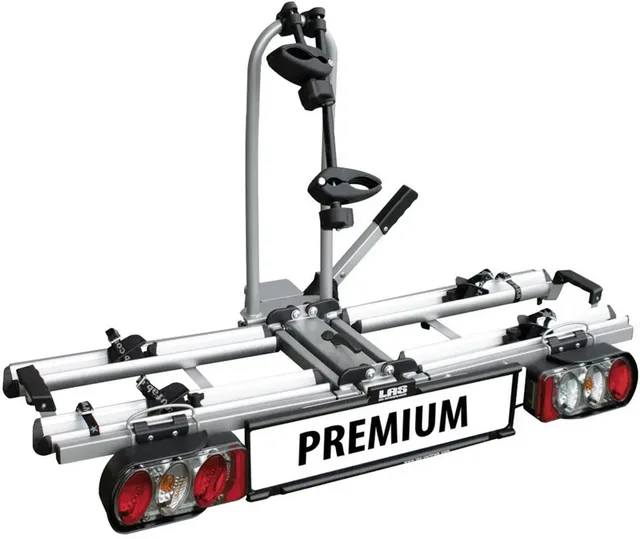
Fietsendrager Premium 12011LAS Aantal fietsen
(max.): 2€385 · at 1 shop
- Eufab
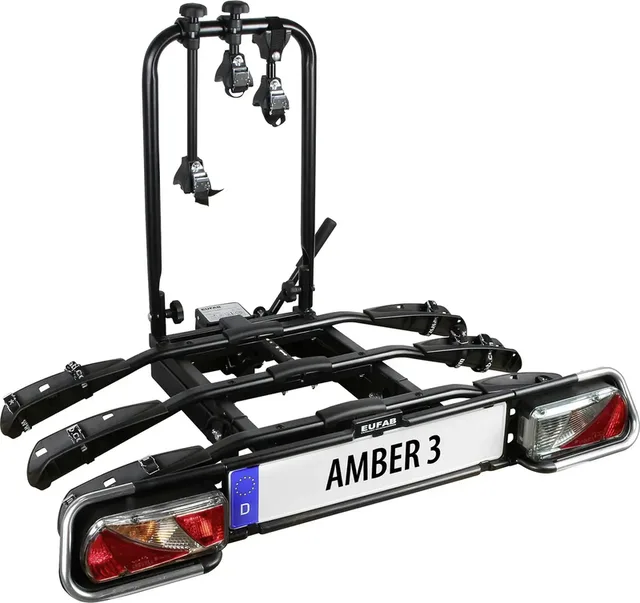
AMBER III 11555 bike carrier, number of bikes
(max.): 3From €269 · at 2 shops
- Eufab
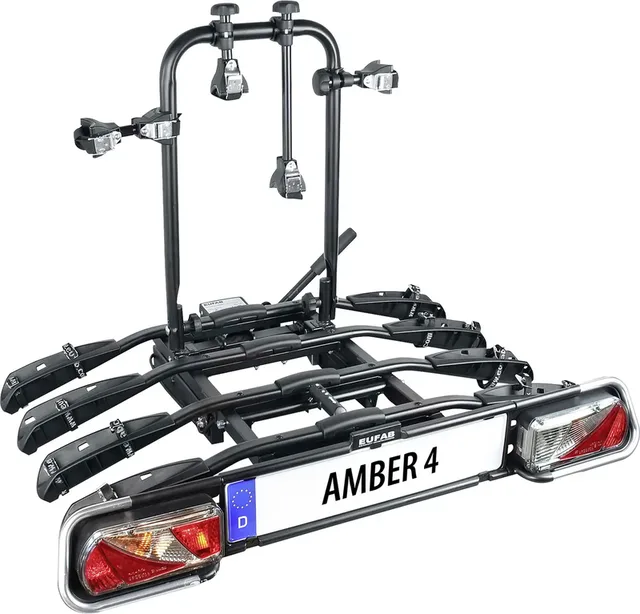
AMBER IV 11556 bike carrier, number of bikes
(max.): 4From €299 · at 2 shops
- Menabo
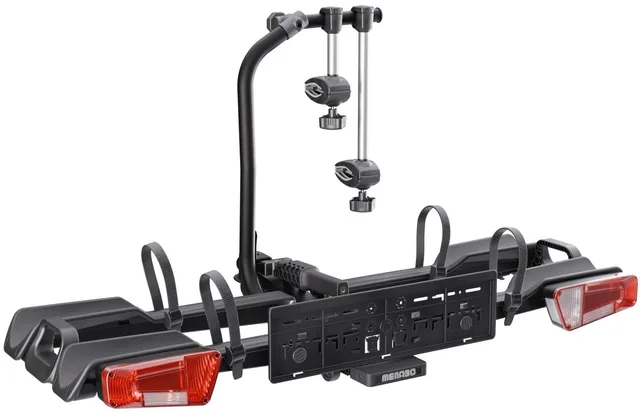
Orbit 2 Fietsendrager 2 E-Bikes Stalen voor Trekhaak
€419 · at 1 shop
- Menabo
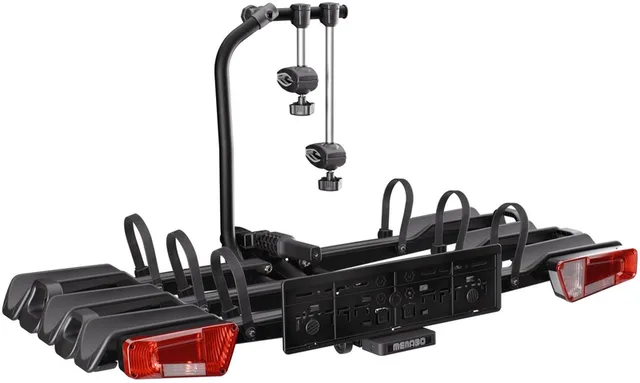
Orbit 3 Fietsendrager 3 E-Bikes Stalen voor Trekhaak 13-polige Aansluiting Afsluitbaar Kantelbaar Inklapbaar
€469 · at 1 shop
Nose weight: what can your tow bar carry?
Nose weight is the load that may press straight down on the tow ball. According to the ANWB, the car maker sets that maximum and you must not exceed it. You find it in your car's owner's manual. The ANWB mentions around 75 kg for many mid-size cars and often only 30 to 50 kg for small cars.
The carrier and the bikes press on the ball together. Eufab puts this in a table in the manual of the Amber IV, which itself weighs about 19.5 kg: with a nose weight of 50 kg you may load 30 kg of bikes, with 60 kg 40 kg, with 75 kg 55 kg, and only with 90 kg the maximum of 60 kg. So always count the carrier plus the bikes, not the bikes alone.
E-bikes: weight and battery
Most e-bikes weigh 25 to 30 kg, the ANWB says. Two e-bikes plus a carrier soon go past the nose weight of a small car. The ANWB says the battery doesn't have to come off, but it is wise: it lightens the load. Eufab gives the same advice. Carry the battery inside the car instead.
Also check what the carrier itself may hold. Eufab approves every Amber carrier for e-bikes and gives the Amber III and Amber IV a load capacity of 60 kg. The Crow may carry 50 kg, with e-bikes up to 25 kg each. The product names call Menabo's Orbit 2 and Orbit 3 e-bike carriers; their load capacity is in the manual. Always read the manual before you load e-bikes.
Carriers for e-bikes
- Menabo
Orbit 2 Fietsendrager 2 E-Bikes Stalen voor Trekhaak
€419 · at 1 shop
- Menabo
Orbit 3 Fietsendrager 3 E-Bikes Stalen voor Trekhaak 13-polige Aansluiting Afsluitbaar Kantelbaar Inklapbaar
€469 · at 1 shop
- Eufab
AMBER III 11555 bike carrier, number of bikes
(max.): 3From €269 · at 2 shops
- Eufab
AMBER IV 11556 bike carrier, number of bikes
(max.): 4From €299 · at 2 shops
Tilting and storage
A tilting carrier folds backwards with the bikes on it, so you can reach the boot. Eufab gives the Amber III and Amber IV a tilt mechanism, so the tailgate opens without taking the bikes off; the Crow does not tilt, Eufab says. The names of the Orbit 2 and Orbit 3 say "kantelbaar" (tilting) and "afsluitbaar" (lockable), and the Orbit 3 also "inklapbaar" (folding).
A folding carrier takes less room at home. Eufab makes a wall bracket for the bike carrier, so it hangs on the wall of a shed or garage. Spare parts such as a holding arm or a strap are listed separately for when one gets lost or breaks.
Storage and spare parts
- Eufab
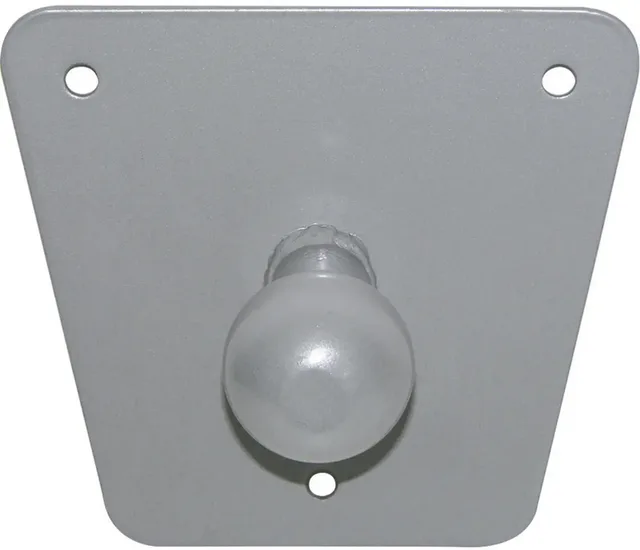
Wall holder for bike carrier 16412
From €30.94 · at 2 shops
Lowest in 90 days
- Eufab
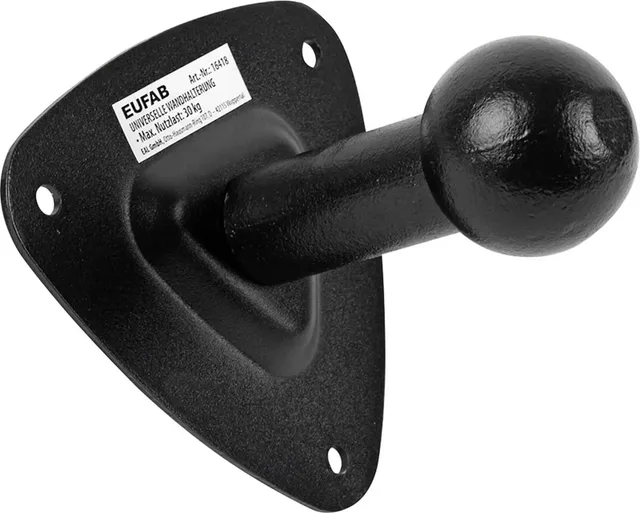
Wall holder for bike carrier 16418
From €37.94 · at 2 shops
Lowest in 90 days
- Eufab
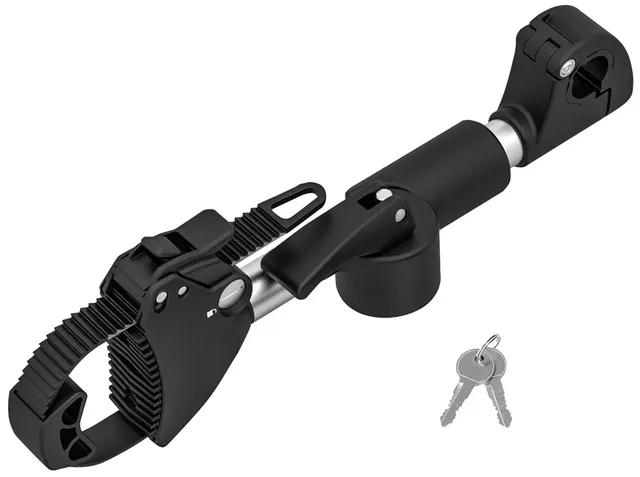
Holder arm for bike carrier 11247
From €65.94 · at 2 shops
- Eufab
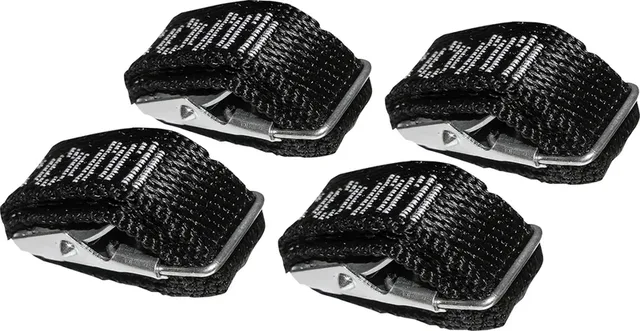
Tension strap for bike carrier 12027
From €18.39 · at 2 shops
Lights, plug and number plate
A carrier on the tow bar covers your rear lights and number plate. The ANWB lists the lights the carrier then needs: two red rear lights, two red brake lights, two amber indicators and two red reflectors. Fog and reversing lights are not required.
The carrier is powered through the tow bar socket. Many carriers have a 13-pin plug, such as the Crow, Amber III and Amber IV according to Eufab, and the Orbit 2 and Orbit 3 according to their names. If your car has a 7-pin socket, you need an adapter.
On the number plate, the RDW says: if a bike carrier covers your plate, the carrier must carry a white number plate showing your car's registration. The ANWB adds that this plate must come from a plate maker approved by the RDW. Outside the Netherlands, check the rules of your own country.
How fast can you drive?
The maximum speed with a bike carrier is in the carrier's manual. According to the ANWB that is 120 km/h for many carriers; Eufab gives the Crow, Amber III and Amber IV 130 km/h. Normal speed limits still apply. After the first few kilometres, check that the bikes and straps are still tight.
Compare prices
Under bike carriers you find every carrier with prices from several shops. Each version has its own EAN and Sorppa compares them one by one, so you see prices for exactly the same carrier.
Frequently asked questions
How much nose weight do I need for two e-bikes?
Add the weight of the two e-bikes to the weight of the carrier. With e-bikes of 25 to 30 kg (ANWB figures) you soon reach about 70 kg or more including the carrier. Compare that with the nose weight in your car's manual, and take the batteries off to save weight.
Do I need a third number plate for a bike carrier?
In the Netherlands, yes, when the carrier covers your plate. According to the RDW, the carrier then gets a white plate showing your car's registration.
Can I open the boot with a bike carrier fitted?
With a tilting carrier, yes. It folds backwards with the bikes on it, like the Eufab Amber III and Amber IV.
Does a 13-pin bike carrier fit a 7-pin tow bar socket?
Yes, with a 7 to 13-pin adapter. Check your carrier's manual for the plug it has.
Keep looking
Sorppa doesn’t test devices itself. This guide sets out what manufacturers state.
Products from this guide
Popular products with a current price at the shops. Compare the prices on the product page.
- Eufab
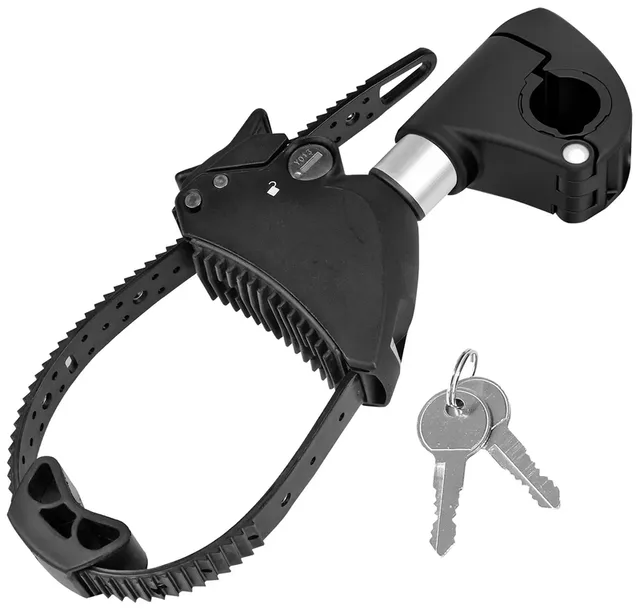
Holder arm for bike carrier 11631
From €41.94 · at 2 shops
- Eufab
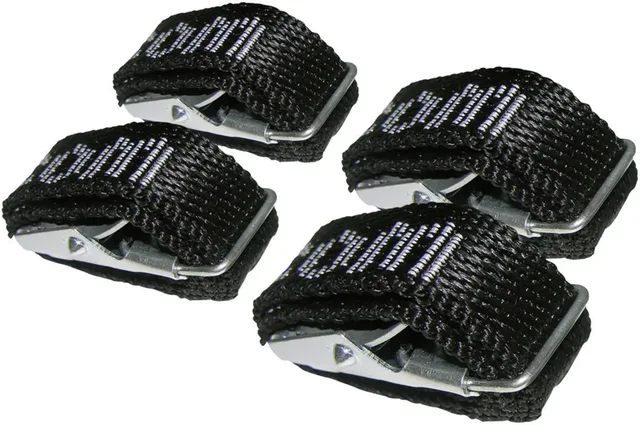
Tension strap for bike carrier 12011
€18.39 · at 1 shop
- Eufab
Tension strap for bike carrier 12027
From €18.39 · at 2 shops
- Eufab
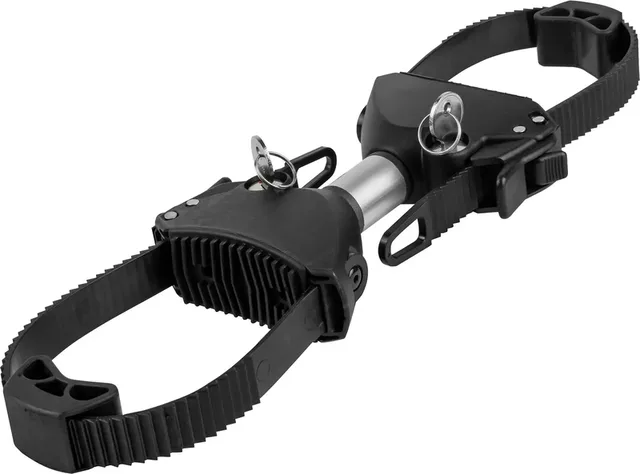
Holder arm for bike carrier 11579
From €48.94 · at 2 shops
- Eufab
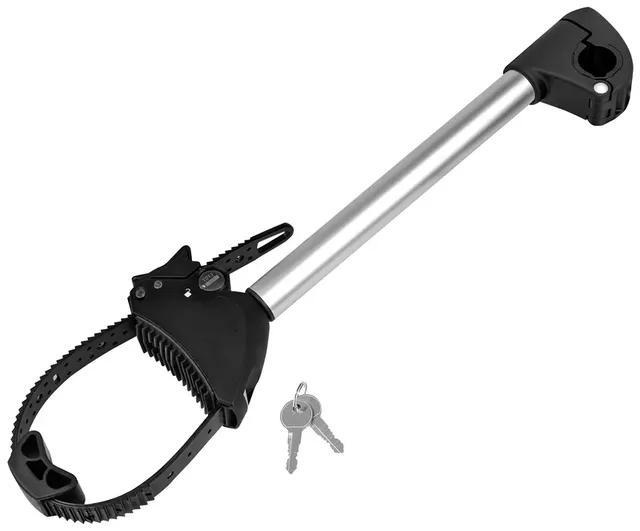
Holder arm for bike carrier 11632
From €49.94 · at 2 shops
More buying guides
- Choosing a roof box: size, roof load, mounting and opening You choose a roof box, also called a rooftop cargo box, on space, roof load and roof bars. Here is how to work out what your car may carry and what to watch for in mounting, speed and storage. Read the guide
- Which engine oil fits your car: 5W-30, ACEA and approvals explained A bottle of engine oil shows a viscosity, an oil class and often car maker approvals. Here is how to read those codes and find the oil your owner's manual asks for. Read the guide
- Battery charger or jump starter: which suits your battery? A battery charger recharges your battery, a jump starter only starts the engine. Here is how to choose by voltage, amps and battery type, and keep the battery full while the car stands still. Read the guide